
All Care Packages
Acquired Brain Injuries
Focus Care provides an enhanced care and recovery approach (ECRA) within a supported living service for people living with acquired brain injury. This home with care (HwC) and support offers individuals a flexible alternative to long-term hospitalisation and traditional residential care placements. We work in partnership with social landlords to provide high-quality care that aligns with best practice guidelines and the Single Assessment Framework quality statements. We work in partnership with social landlords to provide high-quality care that aligns with best practice guidelines and the Single Assessment Framework quality statements.

Autistic Spectrum Disorders

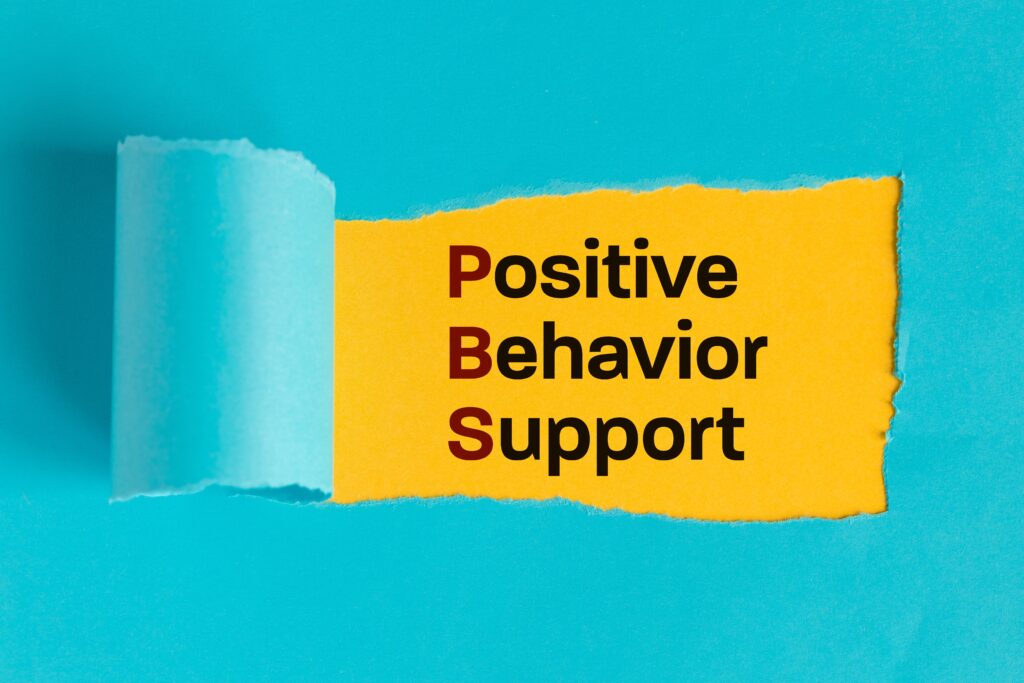
Focus Care supports and cares for people who live with autistic spectrum conditions. We promote and support individuals to make lifestyle choices while living in the community. Working closely with individuals and their families, we uphold service users’ rights to privacy, respect, dignity, choice, independence, fulfilment, and safety. Our services are designed to be person-centred and inclusive, following the CQC’s “Right Support, Right Care, Right Culture” principles. We also integrate the Oliver McGowan Mandatory Training to enhance our staff’s understanding and support for autistic individuals. Our approach includes Positive Behaviour Support (PBS) and is aligned with the national Restraint Reduction Network.
Challenging Behaviours
Focus Care provides comprehensive support for individuals with challenging behaviors. Our approach includes Positive Behaviour Support (PBS) and is aligned with the national Restraint Reduction Network. We also incorporate total communication training, including NAPPI (Non-Abusive Psychological and Physical Intervention) training, to ensure our staff are equipped to provide safe and effective care
Learning Disabilities

Focus Care is a proactive provider of care and support for people living with a Learning Disability throughout the UK. We empower individuals by enabling them to live as independently as possible within supported living services with a tenancy and Housing with Care (HwC) packages. We uphold service users’ rights to privacy, respect, dignity, choice, independence, fulfilment, and safety. Our approach aligns with the CQC’s “Right Support, Right Care, Right Culture” guidance, ensuring that our model of care maximises choice, control, and independence, promotes dignity and human rights, and fosters a positive culture. We passionately promote Positive Behaviour Support (PBS), aligned with the national Restraint Reduction Network, and incorporate the Oliver McGowan Mandatory Training to ensure our staff have the skills and knowledge to provide safe, compassionate, and informed care.
Mental Health Disorders
Focus Care provides services to people living with mental ill health. Our team collaborates with the multidisciplinary team (MDT) and uses the Care Program Approach (CPA). We adopt a holistic, comprehensive, integrated, person-centred care approach in our service delivery. We uphold service users’ rights to privacy, respect, dignity, choice, independence, fulfilment, and safety. Our approach is in line with the Single Assessment Framework quality statements, ensuring high-quality, person-centred care. We passionately promote Positive Behaviour Support (PBS), aligned with the national Restraint Reduction Network.

Profound and Complex Needs

Focus Care offers specialised support for individuals with profound and complex needs. Our services are designed to be person-centred and inclusive, ensuring that individuals receive the care and support they need to live fulfilling lives. We follow the CQC’s “Right Support, Right Care, Right Culture” principles to ensure high-quality care.
Frequently Asked Question
What types of care packages does Focus Care offer?
We provide six specialist care packages: Acquired Brain Injuries, Autistic Spectrum Disorders, Challenging Behaviours, Learning Disabilities, Mental Health Disorders, and Profound and Complex Needs. Each package is built around the individual rather than a rigid template — the support plan, staffing levels, and daily structure are all shaped by what that person needs to live well.
How does Focus Care support someone with an acquired brain injury?
We use an Enhanced Care and Recovery Approach (ECRA) within a supported living setting. This gives individuals a flexible alternative to long-term hospitalisation or traditional residential placements. We work closely with multidisciplinary teams and social landlords to deliver high-quality, recovery- focused support that aligns with best-practice guidelines and the CQC’s Single Assessment Framework.
What approach does Focus Care take for autistic individuals?
Our support is person-centred, following the CQC’s ‘Right Support, Right Care, Right Culture’ principles. Staff complete the Oliver McGowan Mandatory Training on Learning Disability and Autism, and we use Positive Behaviour Support (PBS) aligned with the national Restraint Reduction Network. We work closely with each individual and their family to promote real lifestyle choices, privacy, dignity, and independence within the community.
What is Positive Behaviour Support and how does Focus Care use it?
Positive Behaviour Support (PBS) is an evidence-based approach that focuses on understanding the reasons behind behaviours rather than just managing them. At Focus Care, every support plan for individuals with challenging behaviours is built on PBS principles. Our staff are also trained in NAPPI (Non-Abusive Psychological and Physical Intervention) and total communication techniques, and our approach is aligned with the national Restraint Reduction Network — meaning we actively work to reduce the use of restrictive practices.
Can Focus Care support someone with both a learning disability and mental health needs?
Yes. Many of the people we support have co-occurring conditions. Our team collaborates with each individual’s multidisciplinary team (MDT) and uses the Care Programme Approach (CPA) to make sure mental health, learning disability, and any other needs are addressed in a joined-up, holistic way rather than in isolation.
What does ‘profound and complex needs’ mean in practice?
This refers to individuals who need high levels of support across multiple areas of daily life — often including physical care, communication support, and healthcare management. Our services for people with profound and complex needs are designed to be fully person-centred and inclusive, following the CQC’s ‘Right Support, Right Care, Right Culture’ guidance to make sure every person receives meaningful engagement and the highest standard of care.
Is each care plan truly personalised, or is it a standard template?
Every plan is genuinely individual. Our pre-admission assessment explores the person’s history, health conditions, daily routines, communication preferences, relationships, interests, and life goals. That information shapes a bespoke support plan which is then reviewed regularly and updated as the person’s needs or aspirations change. There is no off-the-shelf template.
